You need a better way to handle warehouse alerts, but the technical team is fully booked. A seemingly small improvement turns into requirements meetings, development work and weeks of waiting. Meanwhile, your staff keep forwarding messages and updating spreadsheets.
To deploy fast without an IT team, start by changing how you approach the problem. Describe the work in everyday language, use AI to help structure a workflow, and test a narrow use case before expanding. The goal is earlier feedback—not skipping operational safeguards.
For a simple workflow with the right prerequisites, an initial pilot can target hours rather than weeks. That is a scoped ambition, not a guaranteed timeline for hardware installation, integrations or full production deployment.

Start with the task that keeps slowing people down
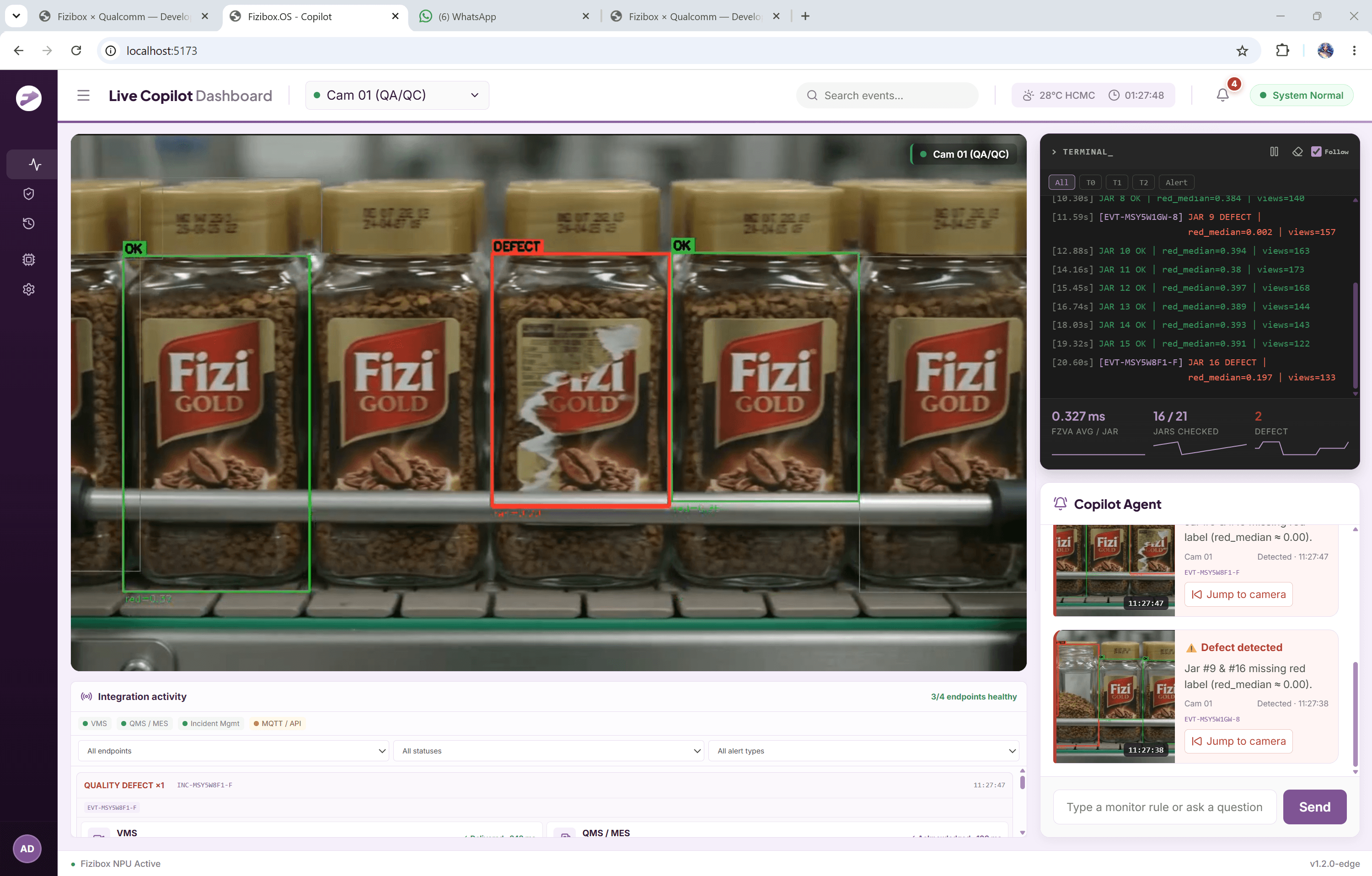
You do not need to digitize an entire facility at once. Pick a recurring task with a clear owner, a recognizable starting point and an obvious definition of done. A smaller scope makes it easier to judge whether an application actually helps.
Useful starting points include:
- Manufacturing: capture an abnormal observation and route it to the responsible shift supervisor at a wood, textile or electronics facility.
- Warehousing and logistics: assign follow-up checks at a cold store, distribution center or parking facility.
- Ports and ICDs: standardize information handoffs at a container terminal or weighbridge.
- Critical infrastructure: test an approved supporting workflow without replacing safety-critical systems at an airport, station or power plant.
Describe your need in one sentence: when new information arrives, who should receive it, what should they do, and who confirms completion? That answer provides a stronger foundation than a long feature wishlist.
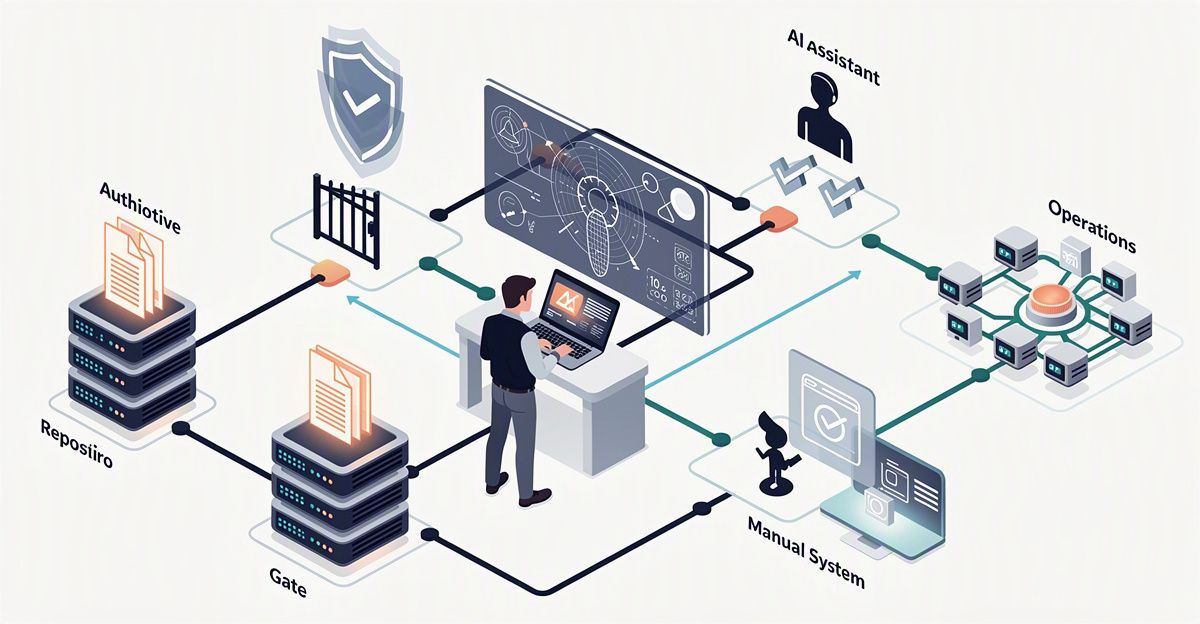
 A shift supervisor and warehouse employee choose a priority workflow for a no-code application pilot.
Let AI draft the workflow while you stay in control
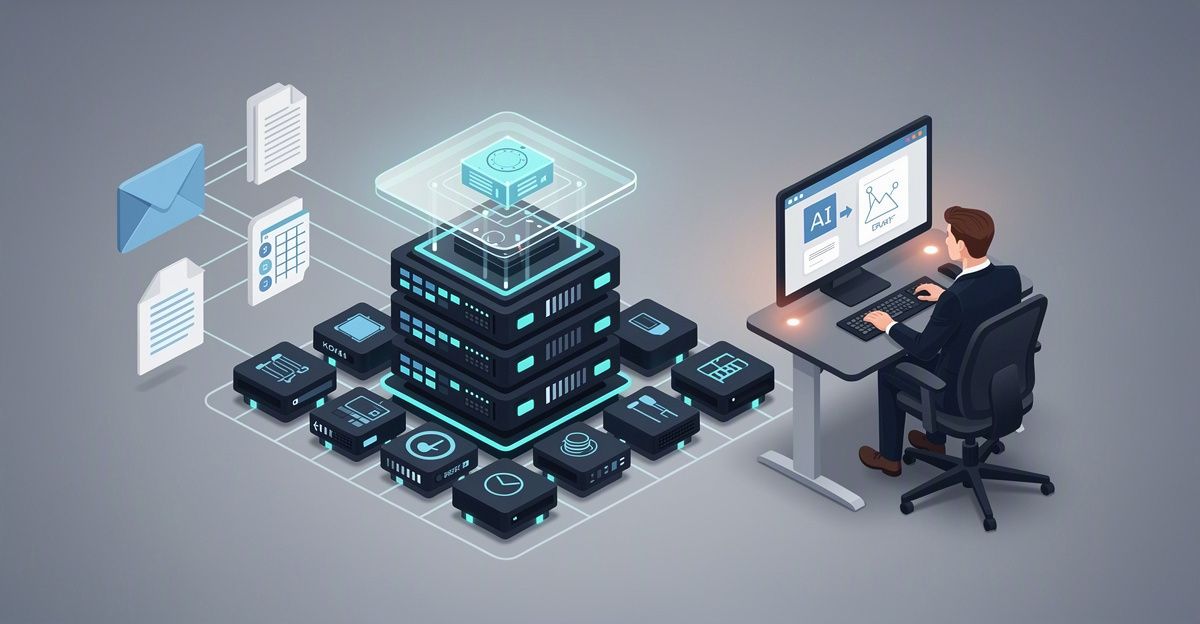
An AI-assisted, no-code approach allows the people closest to the work to participate in application design without writing code themselves. AI can help turn a plain-language description into proposed fields, status changes and task-routing rules for review.
Imagine a warehouse employee submitting an observation, a shift supervisor reviewing it, and a manager checking outstanding work. Before building anything, clarify:
- Inputs: location, time, description and supporting attachments where needed.
- Ownership: the primary assignee, a backup and the person authorized to close the task.
- Exceptions: missing details, overdue actions or an incorrect assignment.
- Access: who may view, edit and approve each record.
The opportunity to deploy fast without an IT team does not remove the need for human judgment. Your operations lead still validates the logic and checks realistic edge cases.
When discussing your requirements with Fizibox, confirm which parts can be configured in FAD Application during the survey. Do not assume that every requested workflow or AI-assisted authoring capability is available without validation.
What can realistically move from weeks to hours?
The strongest candidate is a small workflow pilot with clear requirements, sample data and no complex dependencies. A working draft is not the same thing as a fully commissioned system across multiple facilities.
Starting condition Work that can move quickly Work that needs additional planning Clear workflowDraft intake and task-routing stepsResolve cross-team ownership disputesSample data availableTest fields and status changesClean and authorize production dataStandalone pilotEvaluate a limited processConnect ERP, WMS or proprietary systemsInfrastructure readyCheck the user experienceInstall devices and approve network access
Separate time to first usable pilot from time to production rollout. This lets you review something tangible early without pretending that security approval, procurement or integration work has disappeared.
If your requirements involve Fizibox’s FAD or CID solutions, establish the software and hardware scope separately. The need for FAD Node, CID Node and site connectivity should be confirmed during the survey; different sites may need different configurations.
This distinction keeps the promise useful: shorten the feedback loop where possible, and plan openly for dependencies that cannot be compressed.
Keep the pilot small and the success criteria clear
If you want to deploy fast without an IT team, nominate one operational owner and choose one priority workflow. You may not need a dedicated programming team, but you do need someone authorized to decide how the process should work.
You can approach the engagement with Fizibox through four practical stages:
- Lead — explain the bottleneck. Share the task, location, intended users and what currently causes delays.
- Surveying — confirm readiness. Review the existing process, data, permissions and configuration boundaries.
- Pilot — test with real users. Limit the trial to one area or shift and check both normal operation and exceptions.
- Closed Won — agree the rollout. Confirm commercial scope, responsibilities and an expansion plan after reviewing the pilot.
Choose a few useful measures before testing: time to assign a task, repeated data-entry steps, and the proportion of tasks with a clearly accountable owner. Compare the results with the current process rather than judging the pilot by its interface alone.
For critical infrastructure, keep the trial within approved operational boundaries. Faster application setup should never bypass required safety or security reviews.
A useful pilot does more than function correctly. It makes the next action obvious to the person working the shift.
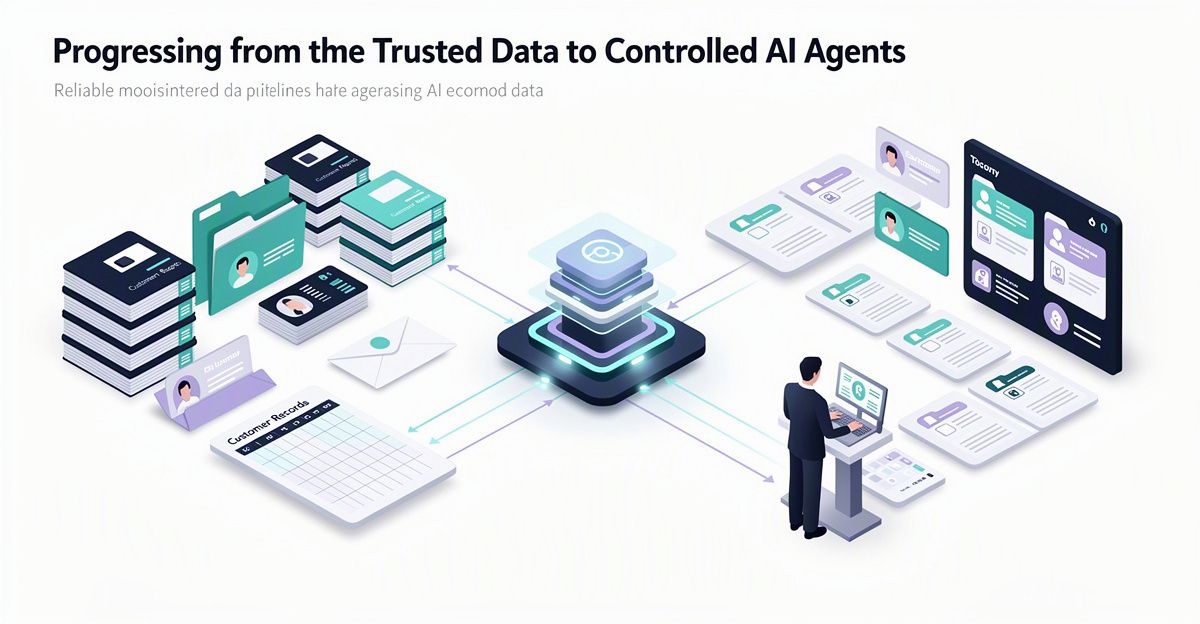
 An operations lead evaluates a pilot in one warehouse area before expanding the rollout.
Frequently Asked Questions
- Can we start without an internal IT team? You can begin with process discovery and a configuration-based pilot where supported. Internal integrations, access approvals or security reviews may still require a technical contact or service provider.
- Does an hours-long pilot include hardware installation? Do not assume it does. An hours-based target applies only to a suitably scoped initial workflow with prerequisites in place; devices and infrastructure require separate scheduling.
- Can an AI-generated application go straight into production? It still needs checks for permissions, data handling and exception paths. Expand only after operational users have validated the workflow and the necessary approvals are complete.
Ready to deploy fast without an IT team? Visit fizibox.com, share one process that is slowing your team down, and request a survey for a focused Pilot. Start small, establish what works, and expand with evidence.