AI Fire Safety Monitoring: Cameras Are Not Enough
The news that 87 facilities in Le Minh Xuan Industrial Park were fined nearly VND 16 billion is a clear reminder for factories: fire safety and workplace safety are no longer just documents stored in a compliance folder. When inspections become real and penalties become measurable, non-compliance turns into an operational cost.
For many manufacturers, the key question is not whether cameras are installed. The real question is whether those cameras can help detect risk early enough. This is where AI fire safety monitoring becomes a practical layer for factories, warehouses, and industrial parks.
Having cameras is not enough. What matters is whether your system can recognize smoke, flames, or unsafe behavior before a small signal becomes a major incident.

When safety violations become a real cost
The figure of nearly VND 16 billion across 87 facilities should not be treated as an official average penalty for every company. But as a simple calculation, 16 billion divided by 87 is roughly VND 184 million per facility. That is large enough to move fire safety from a technical checklist to a board-level concern.
For factory owners and operators, compliance risk can affect more than the finance team:
- Penalties or urgent corrective actions after inspections.
- Production disruption if risky areas must be shut down.
- Higher pressure on management, safety teams, and facility managers.
- Tougher questions from customers, partners, or insurers.
- Difficulty proving that risks were monitored and handled properly.
| Business lens | What many companies assumed | What is becoming clear |
|---|---|---|
| Fire safety | Documents are enough | Real-world operations must be monitored |
| Cameras | Video is useful for review | Early detection is more valuable |
| Cost | Safety investment is optional | Non-compliance is also a real cost |
| Accountability | It belongs to the technical team | It involves senior leadership too |
Once penalties and corrective actions become concrete, safety budgets shift from nice to have to necessary.
Traditional cameras mostly help after the fact
Most factories already have CCTV. The gap is that many camera systems still work passively: they record video, allow playback, and help teams investigate after an event. That is useful, but it is not enough in a production environment with electrical rooms, warehouses, machinery, and flammable materials.
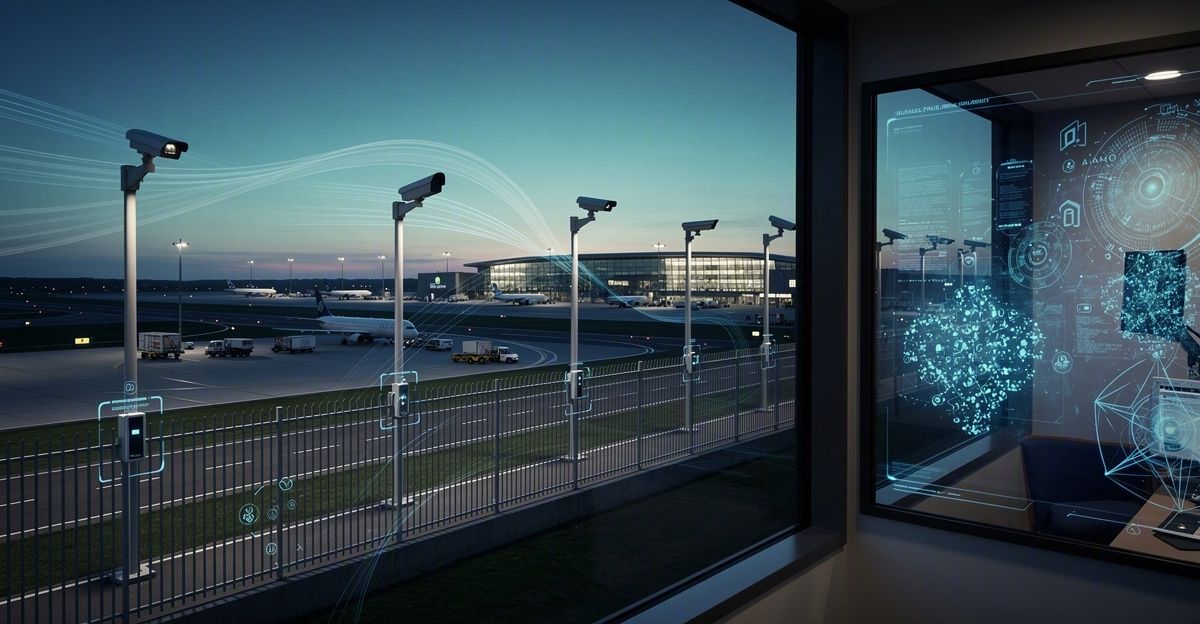
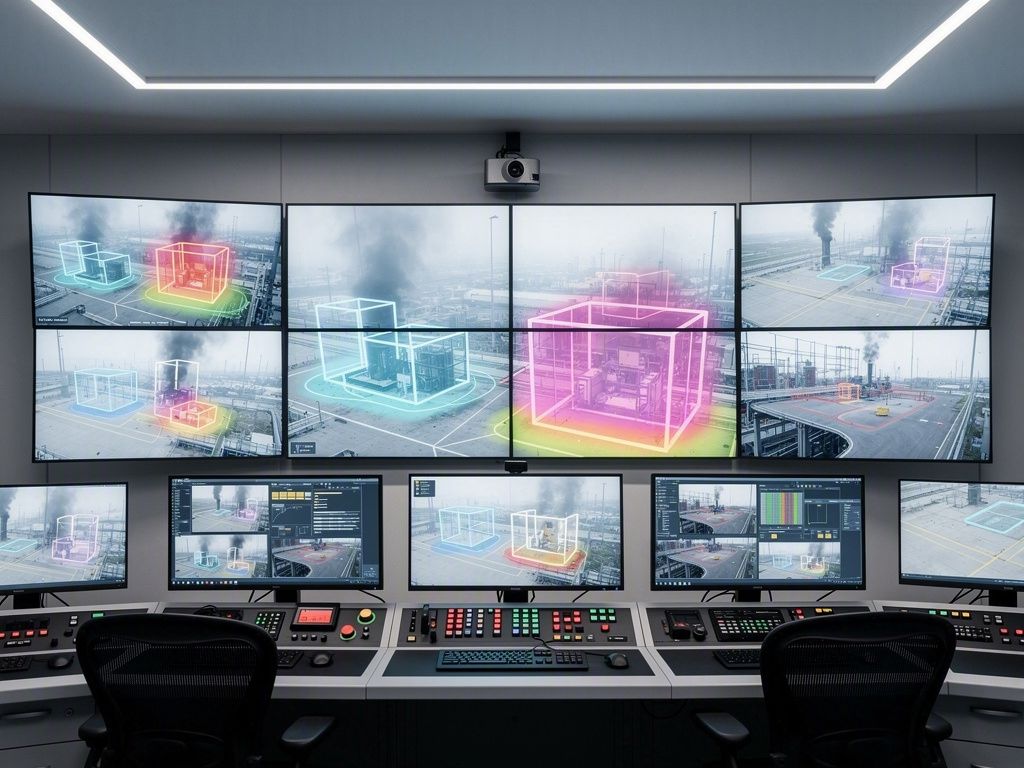 Factory cameras enhanced with AI to detect smoke, flames, and dangerous zones
A normal camera does not truly understand what it sees. If no one is watching the screen, thin smoke in a warehouse corner, an unusual flash near an electrical cabinet, or a worker entering a restricted area may go unnoticed.
AI fire safety monitoring helps turn existing cameras into early-warning sensors. Instead of replacing the entire CCTV infrastructure, factories can add visual intelligence to detect smoke, flames, or unsafe situations in critical areas.
| Traditional CCTV | Cameras enhanced with edge AI |
|---|---|
| Mainly records footage | Analyzes video in near real time |
| Depends on human monitoring | Triggers alerts for abnormal signals |
| Useful after incidents | Supports faster response |
| Events are hard to summarize | Alert logs support internal review |
Where factory blind spots usually appear
Factories are complex environments. Some areas run continuously, some are rarely visited, and some concentrate electrical, material, or machinery-related risk. Even with cameras installed, operational blind spots can remain difficult to monitor around the clock.
Areas worth reviewing first include:
- Electrical cabinets and technical rooms: where overheating, sparks, or electrical faults may occur.
- Warehouses and packaging zones: where dense storage and blind corners can hide early smoke.
- Battery charging and forklift areas: especially outside normal working hours.
- Continuously operating machinery zones: where night shifts may have fewer people on site.
- Emergency exits, corridors, and restricted zones: which directly relate to worker safety.
A quick starting checklist can help:
- Which areas carry the highest fire or safety risk?
- Do current cameras clearly cover those areas?
- Who receives alerts if smoke or flames appear?
- Is the detection and response timeline recorded?
- Does the operations team have a clear response process?
The answers often reveal where the factory is already strong and where it still has hidden risk.
Fizibox adds an AI brain to existing cameras
Fizibox does not approach the problem by asking you to remove your current camera system. Instead, Fizibox adds an edge AI layer to existing infrastructure, helping ordinary cameras detect and alert more effectively for fire safety and workplace safety use cases.
This approach fits factory environments because it can:
- Avoid replacing the full CCTV system at the beginning.
- Start with high-risk areas before expanding further.
- Reduce dependence on people watching screens continuously.
- Create event logs for internal review and process improvement.
- Extend later to other safety monitoring needs.
Beyond smoke and flames, the same camera-plus-AI foundation can support detection of people entering dangerous zones, missing required protective equipment in controlled areas, or unusual gathering near restricted spaces. In that sense, AI fire safety monitoring can become the entry point to broader operational risk monitoring.
Good technology should not become a new burden. It should use what the factory already has and add the missing layer of intelligence.
Continuous monitoring supports better compliance habits
AI does not replace certified fire protection systems, legal requirements, employee training, or emergency response procedures. It also cannot guarantee that a company will avoid penalties. What it can do is reduce operational blind spots, detect abnormal visual signals earlier, and create data that helps teams improve safety practices.
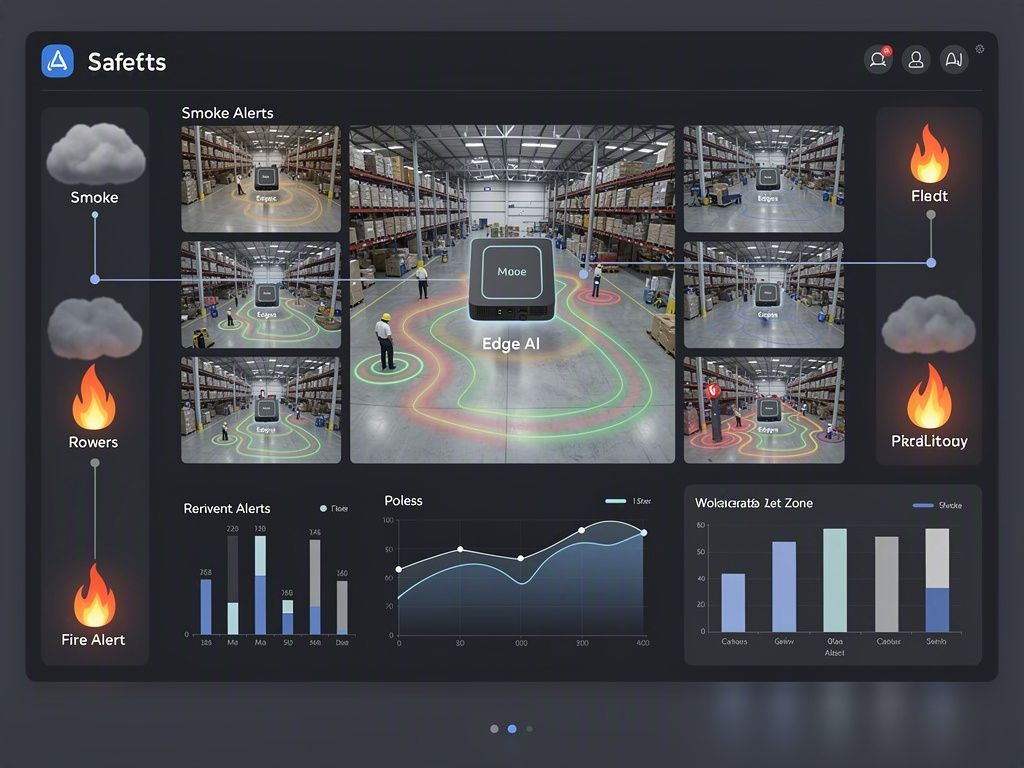 Fizibox adds an edge AI layer to existing factory camera infrastructure
With AI fire safety monitoring, operations teams can gain practical benefits:
- Earlier alerts: detect smoke, flames, or abnormal signs in critical zones.
- Faster response: notify responsible people instead of waiting for video playback.
- Event logs: keep time, location, and visual evidence for internal review.
- Smarter inspections: prioritize areas that generate repeated alerts.
- Less dependence on manual watching: support night shifts, breaks, and low-traffic areas.
For industrial park management teams, aggregated alerts across factory clusters may also help identify areas that require reminders, inspections, or better coordination. For insured factories, risk monitoring data can become a useful input when discussing safer operations.
The key is to treat AI as a supporting layer. Factories still need standard fire alarm systems, firefighting equipment, staff training, equipment inspection, and compliant response procedures.
Frequently Asked Questions
- Does AI fire safety monitoring replace a fire alarm system? No. AI supports early visual detection, but it does not replace certified fire safety systems or legal compliance requirements.
- Can an older CCTV system be used? It depends on camera quality, angle, and coverage. Fizibox can assess the existing setup and recommend suitable high-risk areas to start.
- Should a factory deploy across the entire site immediately? Not necessarily. Many teams begin with electrical rooms, warehouses, battery charging areas, or low-traffic zones.
Fire safety and workplace safety are now part of day-to-day operational resilience. If you want to understand whether your current cameras are missing critical blind spots, visit fizibox.com and talk to Fizibox about assessing your high-risk areas first.